NMCB

Our research

The NMCB consortium will launch six research projects aimed at better understanding the causes of ME/CFS and developing better diagnostic options and treatments. More research projects, including clinical studies, will follow at a later stage.

Research

NMCB's projects

The six initial research projects are as follows:

1AutonoME Autoimmunity as a cause of ME/CFS symptoms

2Converging neurobiological and immune pathways in ME/CFS and PAIS

3EnergiseME Evaluation of the link between auto-immunity and derangements in immune cell metabolism and function in ME/CFS patients

4IMMUNESTRATIFY The molecular immune signature in ME/CFS as stratification tool for future personalized treatment

5MuscleME Explaining skeletal muscle-related symptoms in patients with ME/CFS: from skeletal muscle to exercise immunology

6Brain changes in ME/CFS Post-mortem analyses of neuro-endocrine, microglial and mitochondrial mechanisms

7The Role of Viruses and Gut Bacteria in ME/CFS

8What Happens in Brain Cells in ME/CFS

9Why Standing Up Can Trigger Symptoms in ME/CFS

10Restoring the Gut Microbiome in ME/CFS

11What Happens in the Brain During Concentration Problems in ME/CFS

12What Happens in the Muscles in ME/CFS

13The Role of Proteins in Inflammation and Symptoms in ME/CFS

AutonoME Autoimmunity as a cause of ME/CFS symptoms

One idea about why people develop ME/CFS is that their own immune system starts attacking their body. The research team has already tested this idea by studying people with long COVID, which in many ways resembles ME/CFS. When they took antibodies from people with long COVID and gave them to mice, the mice developed symptoms similar to those experienced by people with long COVID.
led by:

#
Dr. Jeroen den Dunnen and team

Converging neurobiological and immune pathways in ME/CFS and PAIS

ME and CFS, or ME/CFS, and post-acute infectious syndromes (PAIS) are similar on clinical and biological levels. Patients from both groups suffer crippling symptoms and we still don’t have a good and reliable way to diagnose or treat them. It is now time for researchers in these different disease areas to join forces and work together for a common goal.
led by:
#
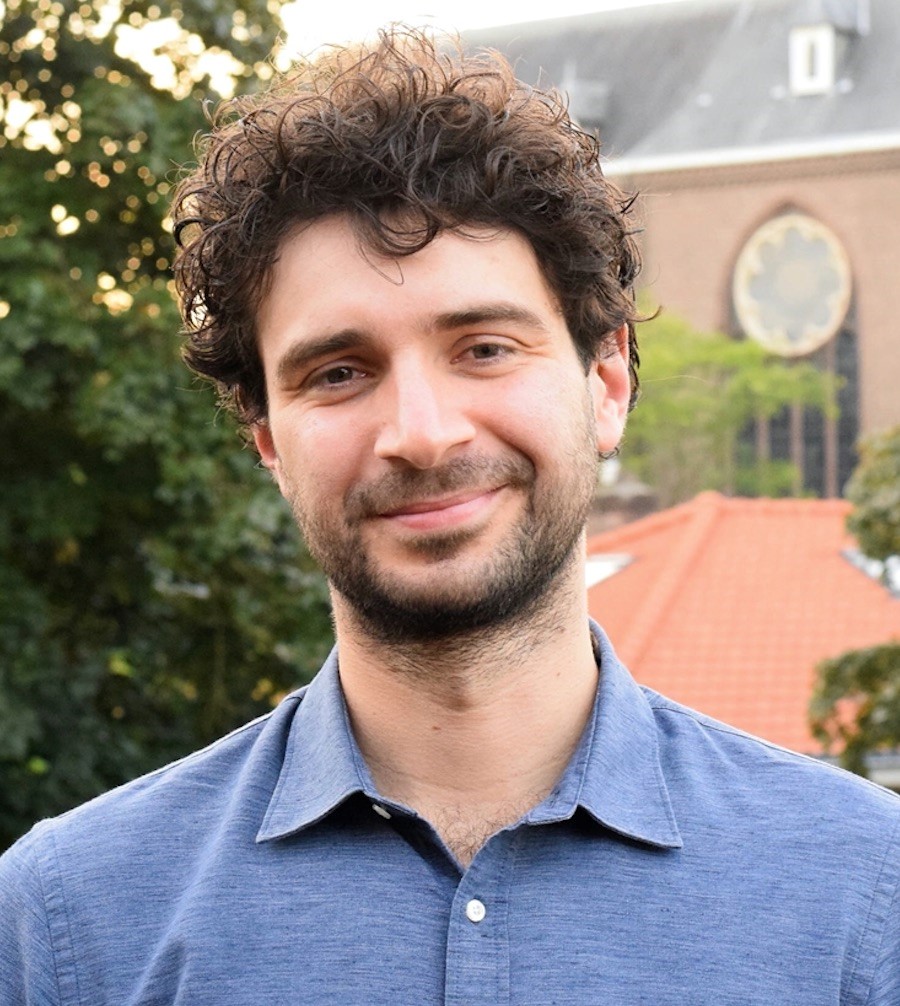
Dr. Ruud P.H. Raijmakers and team

EnergiseME Evaluation of the link between auto-immunity and derangements in immune cell metabolism and function in ME/CFS patients

In the EnergiseME project, researchers will collect blood samples from adult and adolescent ME/CFS patients. They will study these samples to understand how the mitochondria in their cells and the way their white blood cells use energy are affected. They will do this using specialized imaging tests, analyzing molecules in the blood, and observing how substances move within the cells. They will also test how certain substances in the blood affect the function of some of the patients’ cells and how these substances interact with nerve cells.
led by:

#
Dr. Niels Eijkelkamp and team

IMMUNESTRATIFY The molecular immune signature in ME/CFS as stratification tool for future personalized treatment

For this project, the researchers will study blood samples from people with ME/CFS. The aim is to learn more about the role of the immune system in ME/CFS and to identify new clues that could contribute to the development of new treatments. The immune signatures identified in people with ME/CFS will be made available as a diagnostic test.
led by:

#
Dr. Marjan Versnel and team

MuscleME Explaining skeletal muscle-related symptoms in patients with ME/CFS: from skeletal muscle to exercise immunology

The main goal of the MuscleME project is to gain a better understanding of what happens in the muscles of people with ME/CFS. The researchers will look at blood and muscle samples from these patients and compare them with samples from people without the disease to see if there are any changes in how their muscles function and in muscle structure. They will also investigate why exercise causes people with ME/CFS to feel worse and whether there is a link between the immune system and the way muscles change.
led by:

#
Dr. Rob Wüst and team

Brain changes in ME/CFS Post-mortem analyses of neuro-endocrine, microglial and mitochondrial mechanisms

ME/CFS is characterized by neurological symptoms and is frequently considered a brain disease. However, we don’t understand what changes are happening within the brain because brain tissue from people with ME/CFS haven’t been collected or studied yet. Together with ME/CFS patient associations and the Netherlands Brain Bank, the researchers will start a program brain donor program where people with ME/CFS can donate their brains for scientific researcher. Their goal is to ask at least 1,000 people with ME/CFS so that they can register up to 200 donors.
led by:

#
Prof. dr. Inge Huitinga and team

The Role of Viruses and Gut Bacteria in ME/CFS

Viruses and bacteria in the gut play an important role in the immune system. When this balance is disrupted, it can affect inflammation and other symptoms throughout the body. Researchers want to better understand how viruses and the gut microbiome are linked to ME/CFS. This could help determine whether certain viruses remain active and whether changes in the gut contribute to symptoms. The findings could lead to new ways of diagnosing and treating ME/CFS, for example with antiviral medications or a faecal microbiota transplant (FMT), in which healthy gut bacteria are transferred to the patient.

What Happens in Brain Cells in ME/CFS

In ME/CFS, changes in the immune system and the brain appear to play an important role. Using a new technique, researchers are investigating which brain cells function differently in people with ME/CFS. The focus is on brain regions involved in energy, memory, and hormones, such as the hippocampus and hypothalamus. Immune cells in the brain will also be compared with those in the blood. This will provide a better understanding of how the immune system in the body and brain influence each other, and what this may mean for the symptoms of ME/CFS.
led by:
#
Prof. dr. Inge Huitinga and team

Why Standing Up Can Trigger Symptoms in ME/CFS

When people with ME/CFS sit or stand upright, they may experience dizziness, a racing heart, or even fainting. This is known as orthostatic intolerance (OI) and is common among people with ME/CFS. However, it is still not fully understood what exactly happens in the body. Researchers want to better understand the role of blood pressure, heart rate, and blood flow to the brain. The results could lead to improved diagnostic methods and new insights into potential treatments.
led by:

#
Dr. Jos Bosch and team

Restoring the Gut Microbiome in ME/CFS

A disrupted gut microbiome appears to play an important role in ME/CFS. When the balance of bacteria in the gut is disturbed, important substances may not function properly in the body. In this study, researchers are developing gut models to better understand what goes wrong in ME/CFS and how this balance might be restored.
led by:

#
Dr. Arnout Mieremet and team

What Happens in the Brain During Concentration Problems in ME/CFS

Many people with ME/CFS experience difficulties with concentration, memory, or clear thinking. This study will investigate how these cognitive symptoms are related to changes in the brain, energy metabolism, and the immune system. The findings should help improve recognition of these symptoms and, in the longer term, lead to better ways of measuring and treating cognitive difficulties.
led by:

#
Dr. Marieke van der Schaaf and team

What Happens in the Muscles in ME/CFS

Reduced exercise capacity, muscle weakness, and post-exertional malaise (PEM) are common symptoms of ME/CFS. This project investigates what exactly happens in the muscles and why some people have reduced oxygen delivery to their muscles, while others extract less oxygen from the blood during exercise. Using advanced imaging techniques such as MRI and NIRS, researchers aim to identify muscle abnormalities without putting additional strain on the body. This may help improve our understanding of ME/CFS and ultimately contribute to more targeted treatments.
led by:

#
Dr. Melissa Hooijmans and team

The Role of Proteins in Inflammation and Symptoms in ME/CFS

Inflammation and disruptions in the body may play a role in ME/CFS. This study focuses on specific proteins known as bioactive peptides. These proteins can influence organs and processes throughout the body. Measurements will be taken from people with very severe ME/CFS, often in their homes, as the strongest signals are expected in this group. By studying this group, researchers hope to gain a better understanding of the disease process and identify potential avenues for treatment.
led by:

#
Dr. Leo Koenderman and team

1AutonoME Autoimmunity as a cause of ME/CFS symptoms

AutonoME Autoimmunity as a cause of ME/CFS symptoms

One idea about why people develop ME/CFS is that their own immune system starts attacking their body. The research team has already tested this idea by studying people with long COVID, which in many ways resembles ME/CFS. When they took antibodies from people with long COVID and gave them to mice, the mice developed symptoms similar to those experienced by people with long COVID.
led by:
#
Dr. Jeroen den Dunnen and team

2Converging neurobiological and immune pathways in ME/CFS and PAIS

Converging neurobiological and immune pathways in ME/CFS and PAIS

ME and CFS, or ME/CFS, and post-acute infectious syndromes (PAIS) are similar on clinical and biological levels. Patients from both groups suffer crippling symptoms and we still don’t have a good and reliable way to diagnose or treat them. It is now time for researchers in these different disease areas to join forces and work together for a common goal.
led by:
#
Dr. Ruud P.H. Raijmakers and team

3EnergiseME Evaluation of the link between auto-immunity and derangements in immune cell metabolism and function in ME/CFS patients

EnergiseME Evaluation of the link between auto-immunity and derangements in immune cell metabolism and function in ME/CFS patients

In the EnergiseME project, researchers will collect blood samples from adult and adolescent ME/CFS patients. They will study these samples to understand how the mitochondria in their cells and the way their white blood cells use energy are affected. They will do this using specialized imaging tests, analyzing molecules in the blood, and observing how substances move within the cells. They will also test how certain substances in the blood affect the function of some of the patients’ cells and how these substances interact with nerve cells.
led by:
#
Dr. Niels Eijkelkamp and team

4IMMUNESTRATIFY The molecular immune signature in ME/CFS as stratification tool for future personalized treatment

IMMUNESTRATIFY The molecular immune signature in ME/CFS as stratification tool for future personalized treatment

For this project, the researchers will study blood samples from people with ME/CFS. The aim is to learn more about the role of the immune system in ME/CFS and to identify new clues that could contribute to the development of new treatments. The immune signatures identified in people with ME/CFS will be made available as a diagnostic test.
led by:
#
Dr. Marjan Versnel and team

5MuscleME Explaining skeletal muscle-related symptoms in patients with ME/CFS: from skeletal muscle to exercise immunology

MuscleME Explaining skeletal muscle-related symptoms in patients with ME/CFS: from skeletal muscle to exercise immunology

The main goal of the MuscleME project is to gain a better understanding of what happens in the muscles of people with ME/CFS. The researchers will look at blood and muscle samples from these patients and compare them with samples from people without the disease to see if there are any changes in how their muscles function and in muscle structure. They will also investigate why exercise causes people with ME/CFS to feel worse and whether there is a link between the immune system and the way muscles change.
led by:
#
Dr. Rob Wüst and team

6Brain changes in ME/CFS Post-mortem analyses of neuro-endocrine, microglial and mitochondrial mechanisms

Brain changes in ME/CFS Post-mortem analyses of neuro-endocrine, microglial and mitochondrial mechanisms

ME/CFS is characterized by neurological symptoms and is frequently considered a brain disease. However, we don’t understand what changes are happening within the brain because brain tissue from people with ME/CFS haven’t been collected or studied yet. Together with ME/CFS patient associations and the Netherlands Brain Bank, the researchers will start a program brain donor program where people with ME/CFS can donate their brains for scientific researcher. Their goal is to ask at least 1,000 people with ME/CFS so that they can register up to 200 donors.
led by:
#
Prof. dr. Inge Huitinga and team

7The Role of Viruses and Gut Bacteria in ME/CFS

The Role of Viruses and Gut Bacteria in ME/CFS

Viruses and bacteria in the gut play an important role in the immune system. When this balance is disrupted, it can affect inflammation and other symptoms throughout the body. Researchers want to better understand how viruses and the gut microbiome are linked to ME/CFS. This could help determine whether certain viruses remain active and whether changes in the gut contribute to symptoms. The findings could lead to new ways of diagnosing and treating ME/CFS, for example with antiviral medications or a faecal microbiota transplant (FMT), in which healthy gut bacteria are transferred to the patient.

8What Happens in Brain Cells in ME/CFS

What Happens in Brain Cells in ME/CFS

In ME/CFS, changes in the immune system and the brain appear to play an important role. Using a new technique, researchers are investigating which brain cells function differently in people with ME/CFS. The focus is on brain regions involved in energy, memory, and hormones, such as the hippocampus and hypothalamus. Immune cells in the brain will also be compared with those in the blood. This will provide a better understanding of how the immune system in the body and brain influence each other, and what this may mean for the symptoms of ME/CFS.
led by:
#
Prof. dr. Inge Huitinga and team

9Why Standing Up Can Trigger Symptoms in ME/CFS

Why Standing Up Can Trigger Symptoms in ME/CFS

When people with ME/CFS sit or stand upright, they may experience dizziness, a racing heart, or even fainting. This is known as orthostatic intolerance (OI) and is common among people with ME/CFS. However, it is still not fully understood what exactly happens in the body. Researchers want to better understand the role of blood pressure, heart rate, and blood flow to the brain. The results could lead to improved diagnostic methods and new insights into potential treatments.
led by:
#
Dr. Jos Bosch and team

10Restoring the Gut Microbiome in ME/CFS

Restoring the Gut Microbiome in ME/CFS

A disrupted gut microbiome appears to play an important role in ME/CFS. When the balance of bacteria in the gut is disturbed, important substances may not function properly in the body. In this study, researchers are developing gut models to better understand what goes wrong in ME/CFS and how this balance might be restored.
led by:
#
Dr. Arnout Mieremet and team

11What Happens in the Brain During Concentration Problems in ME/CFS

What Happens in the Brain During Concentration Problems in ME/CFS

Many people with ME/CFS experience difficulties with concentration, memory, or clear thinking. This study will investigate how these cognitive symptoms are related to changes in the brain, energy metabolism, and the immune system. The findings should help improve recognition of these symptoms and, in the longer term, lead to better ways of measuring and treating cognitive difficulties.
led by:
#
Dr. Marieke van der Schaaf and team

12What Happens in the Muscles in ME/CFS

What Happens in the Muscles in ME/CFS

Reduced exercise capacity, muscle weakness, and post-exertional malaise (PEM) are common symptoms of ME/CFS. This project investigates what exactly happens in the muscles and why some people have reduced oxygen delivery to their muscles, while others extract less oxygen from the blood during exercise. Using advanced imaging techniques such as MRI and NIRS, researchers aim to identify muscle abnormalities without putting additional strain on the body. This may help improve our understanding of ME/CFS and ultimately contribute to more targeted treatments.
led by:
#
Dr. Melissa Hooijmans and team

13The Role of Proteins in Inflammation and Symptoms in ME/CFS

The Role of Proteins in Inflammation and Symptoms in ME/CFS

Inflammation and disruptions in the body may play a role in ME/CFS. This study focuses on specific proteins known as bioactive peptides. These proteins can influence organs and processes throughout the body. Measurements will be taken from people with very severe ME/CFS, often in their homes, as the strongest signals are expected in this group. By studying this group, researchers hope to gain a better understanding of the disease process and identify potential avenues for treatment.
led by:
#
Dr. Leo Koenderman and team